

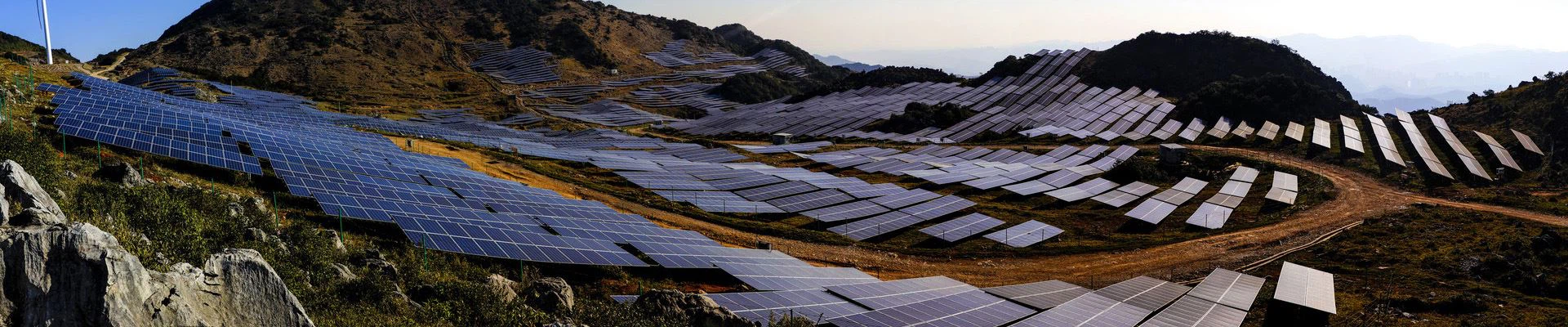




: With a rated power of 410W under standard test conditions (STC), this module uses high-purity monocrystalline cells to achieve 22–23% front-side efficiency. Its bifacial design-featuring a transparent backsheet-captures reflected sunlight from surfaces like rooftops, gravel, snow, or white membranes, adding 5–25% extra energy (depending on the reflective environment). For example, installed over a white rooftop, it can generate ~430–470Wh/day, outperforming traditional monofacial 410W panels by 10–15% in ideal conditions.
:
: Incorporates half-cut monocrystalline cells to reduce electrical resistance, improve shade tolerance, and minimize power loss from partial shading. This design also enhances thermal stability, preventing hotspots that can degrade performance over time.
Dual-Sided Protection: The front side is covered with 2.5mm anti-reflective, anti-soiling tempered glass to maximize light absorption and resist dust buildup. The rear features a weatherproof, transparent backsheet that allows reflected light to reach the cells while protecting against moisture and corrosion.
: A corrosion-resistant aluminum frame ensures durability, with certifications to withstand high winds (up to 166km/h) and heavy snow loads (5400Pa), making it suitable for diverse climates-from coastal areas to snowy regions.
: Operates efficiently in a wide temperature range (-40℃ to 85℃) with a low temperature coefficient (-0.34%/℃), meaning it loses only 0.34% of power for every 1℃ increase above 25℃. This stability ensures consistent output even in hot weather, outperforming panels with higher temperature coefficients.
:
: Typically measures around 1722 x 1134 x 30mm, weighing ~24kg-compact enough for rooftop installations (sloped or flat) while being easy to handle. Its power density (~210W/m²) reduces the number of panels needed for target systems (e.g., 25 panels for a 10kW setup).
: Compatible with standard racking systems, including elevated mounts (to maximize rear-side light capture) and ground-mounted arrays. Works seamlessly with string inverters, microinverters, and charge controllers, making it suitable for both grid-tied and off-grid applications.
|
|
|||||||||
|
|
530M-144~550M-144 |
||||||||
|
|
530 |
535 |
540 |
545 |
550 |
||||
|
|
41.31 |
41.47 |
41.64 |
41.8 |
41.96 |
||||
|
|
12.83 |
12.9 |
12.97 |
13.04 |
13.11 |
||||
|
|
49.3 |
49.45 |
49.6 |
49.75 |
49.9 |
||||
|
|
13.72 |
13.79 |
13.86 |
13.93 |
14 |
||||
|
|
20.5 |
20.7 |
20.9 |
21.1 |
21.3 |
||||
|
|
0~+5W |
||||||||
|
|
Irradiance 1000w/m², Cell Temperature 25C, Air Mass 1.5 |
||||||||
|
|
The data in this directory does not refer to a single module. It's not part of the offer. They are only used for comparison between different module types. |
||||||||
|
|
|||||||||

| 2278*11134*35mm | |
| 30kg | |
| IP68 | |
| 50cm 4mm2 cable or customized | |


Many solar energy factories engage in policy advocacy to promote renewable energy initiatives. By working with legislators and stakeholders, they help shape policies that support the growth of the solar industry.
الوسم : bifacial mono module 410w panel, China bifacial mono module 410w panel manufacturers, suppliers


